Home /
Department
Department of Chemistry
Welcome to the Department of Chemistry. Dedicated to academic excellence, innovative teaching, and comprehensive student development.
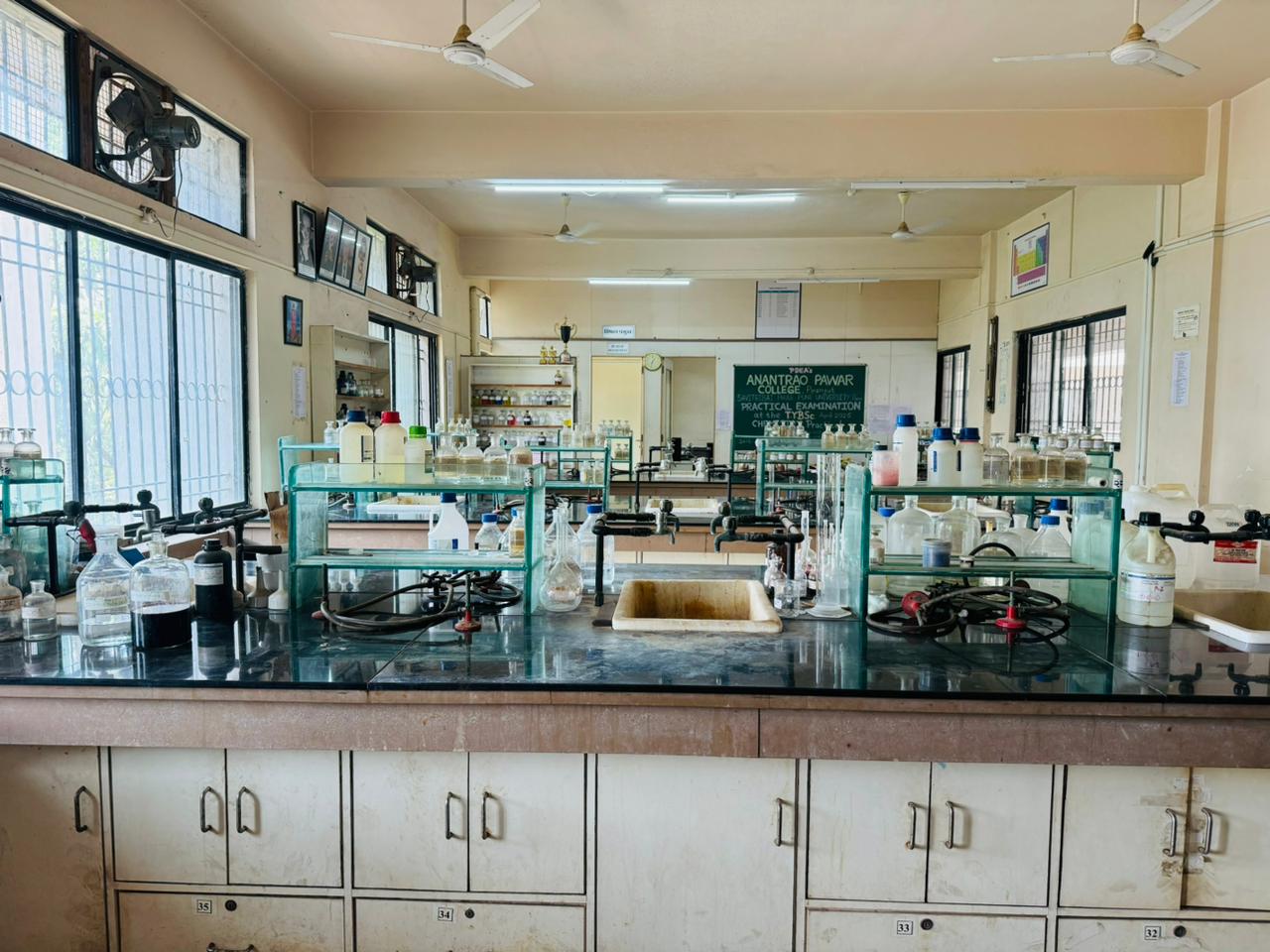
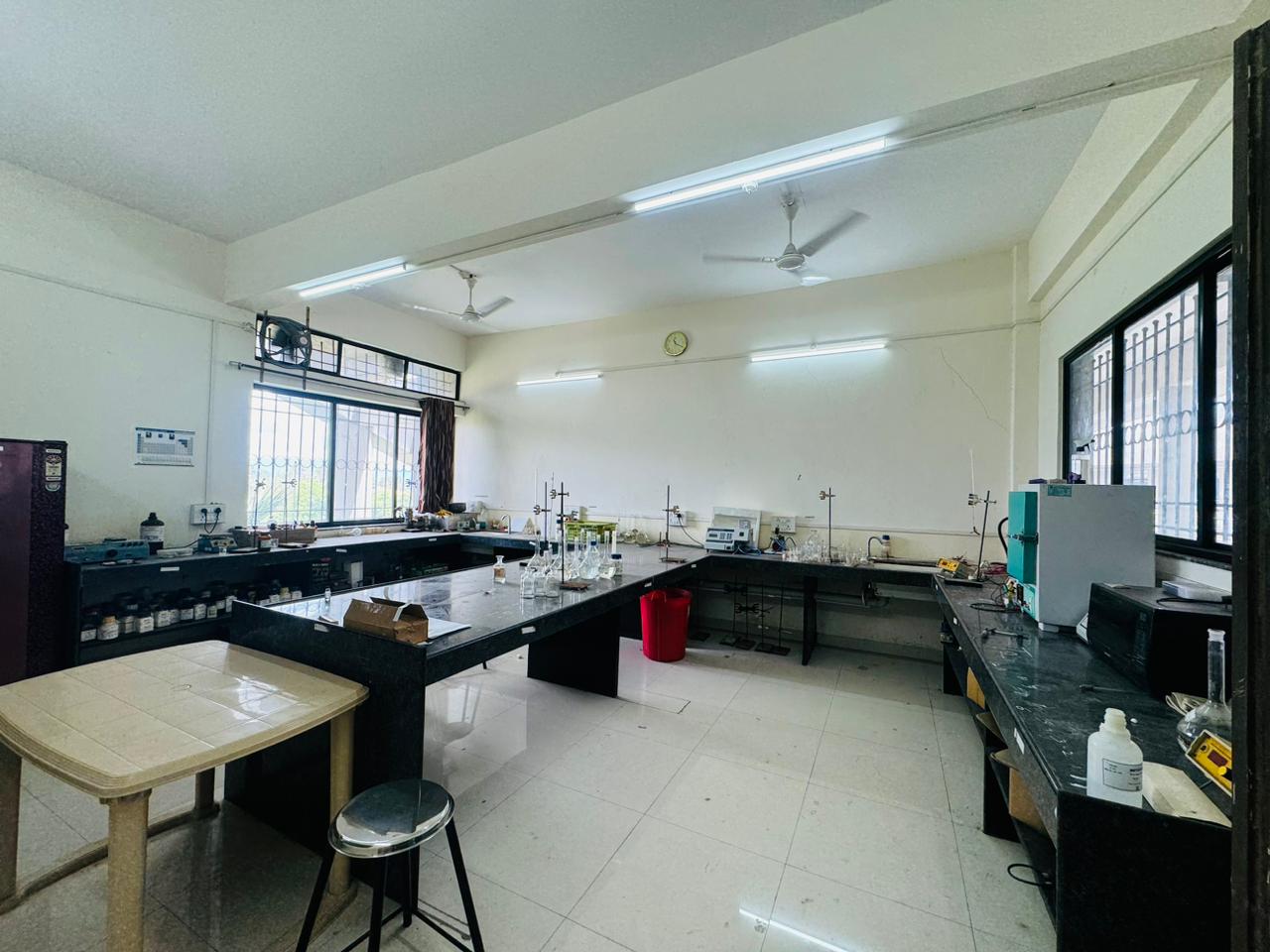
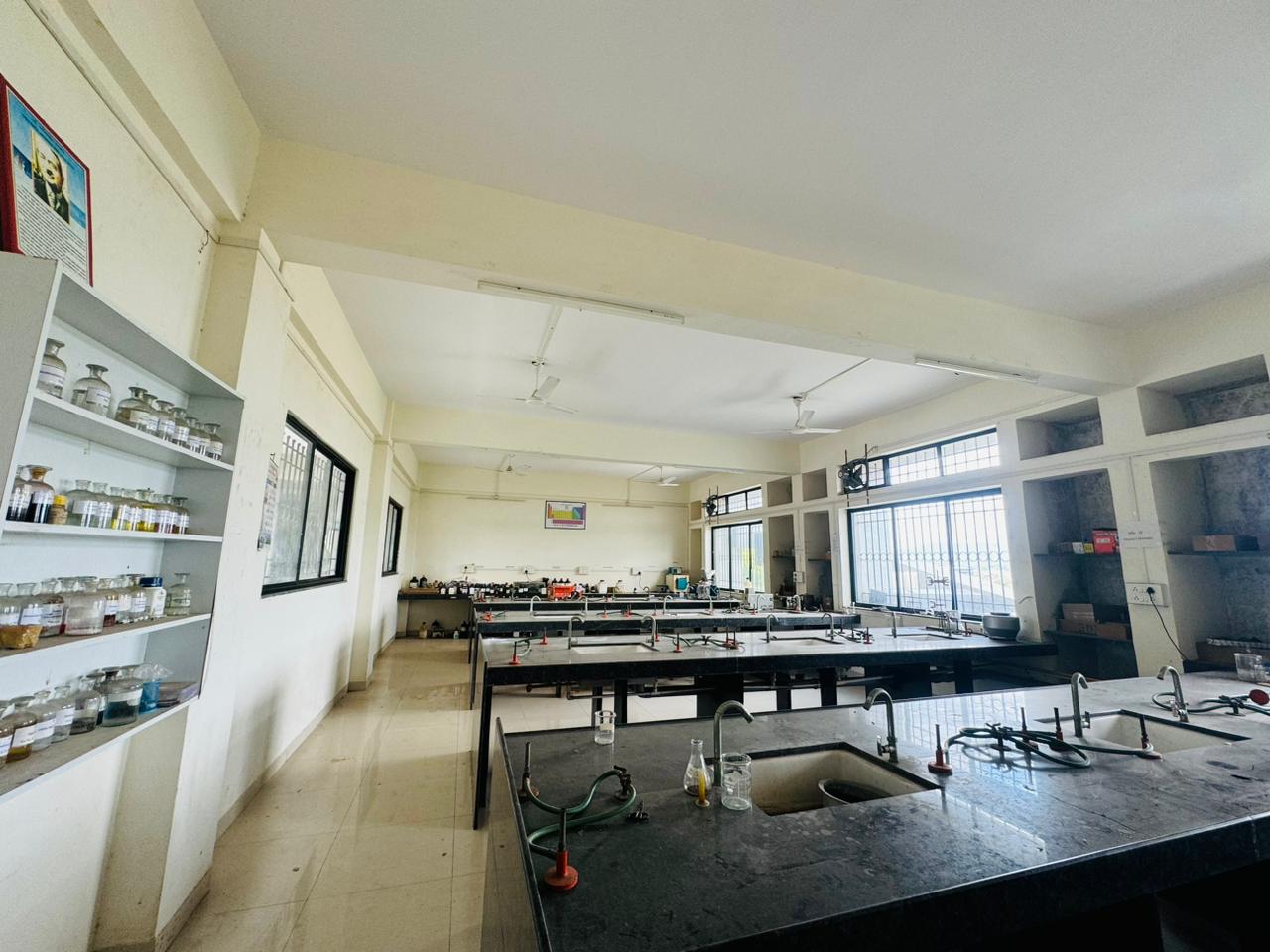
' 'Chemistry Laboratory''
Department of Chemistry
History
Year of Establishment: 2009
The postgraduate course in Organic Chemistry and Analytical chemistry were started in 2013 and 2019 respectively. The chemistry department serves the purpose of imparting knowledge in the core science subject, which is a foundational building block for most science disciplines. Department provide the best facility, infrastructure, and environment to students, and faculty members. A staff of extremely capable teachers keeps the department running in full throttle.
Aim
To provide a broad foundation in chemistry and to aware the students with the application of scientific principles, particularly those of chemistry, to societal issues.
Objectives
• To provide students with the skills required to succeed in Private industries.
• To develop the Students with a commitment to a life of learning.
Infrastructure
The Department has three spacious independent laboratories fully equipped with instruments and consumables, advanced equipments and one spacious computer lab for teaching activities.
Highlights
• Courses from UG to Post Graduation
• Highly Qualified Staff
• Good Infrastructure
• Innovative Practical demonstrations
• Best Practices- i)Microscale Experiments ii) Soil and water analysis
• ICT classrooms
• Projects for Students
• Research Activities
• Extension Activity
• Departmental Library
• Student counseling
• Placements
Programmes offered
| Courses | Specialisation | Duration | Sanctioned Strength per year |
|---|---|---|---|
| B.Sc. | Chemistry | 03 Years | 120 |
| M.Sc. | Organic Chemistry | 02 Years | 24 |
| M.Sc. | Analytical Chemistry | 02 Years | 24 |
Best Practices
The department is actively engaged in popularizing microscale experiments in chemistry. All experiments are conducted in microscale and these techniques have resulted in the greater accuracy of results, Lesser requirement of chemicals and Reduction in pollution.
Department conduct soil and water analysis for the farmers of nearby villages.
Faculty Details
There are seven faculty members in the department of Chemistry which have expertise in inorganic, organic, physical and nanotechnology. They take part in training and development activities that keep them up to date on the latest developments in chemical sciences and aid in the advancement of advanced research.
Activities
1) CHEMIAD & PERIODIC TABLE COMPETITION
Every year Department of chemistry conducts CHEMIAD & Periodic table Competition in chemistry to assess the conceptual understanding in chemistry.
Every year Department of chemistry conducts CHEMIAD & Periodic table Competition in chemistry to assess the conceptual understanding in chemistry.
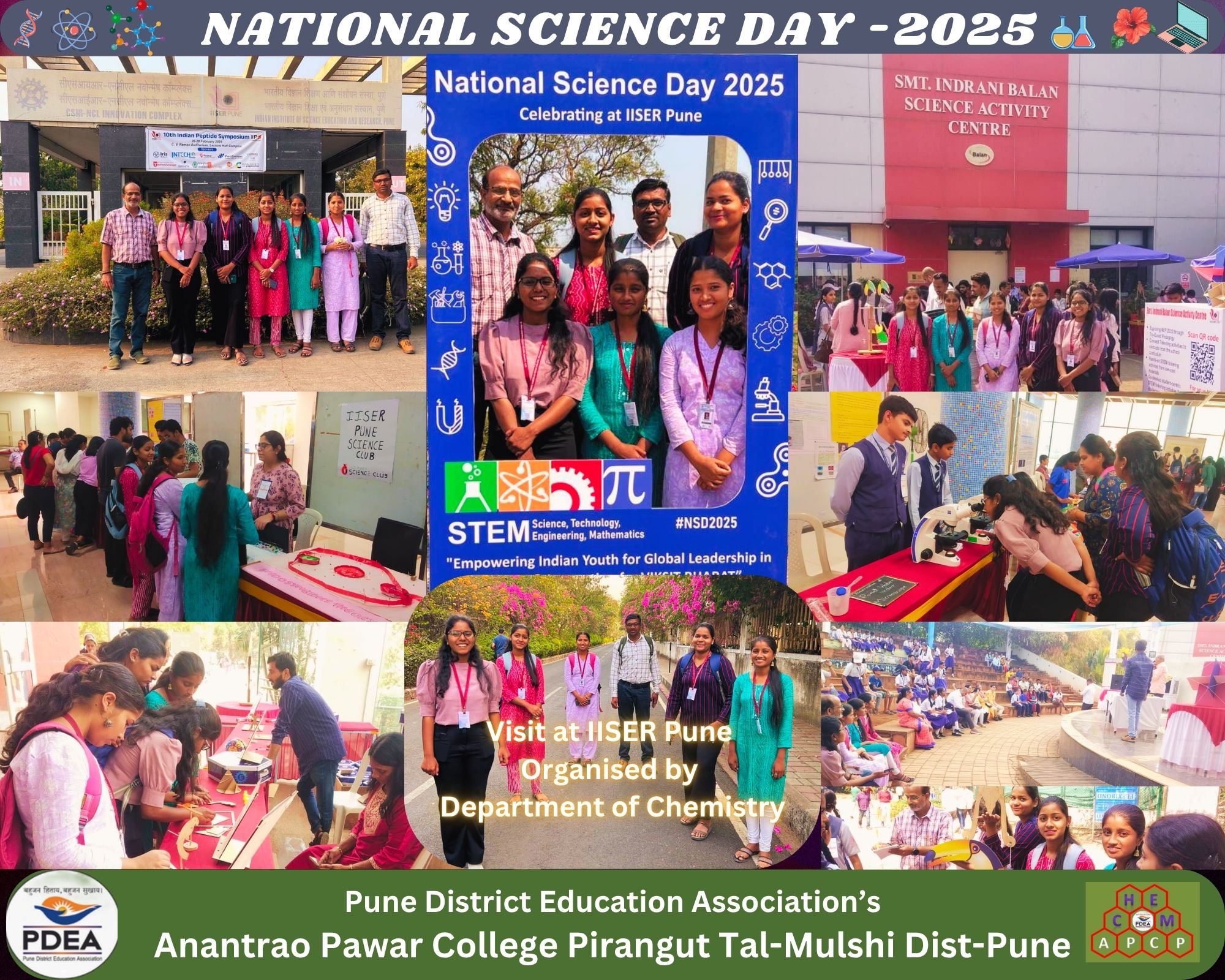
2) INDUSTRIAL/INSTITUTIONAL and FIELD VISITS
Department organises industrial and institutional visits for students to offer an invaluable experience when making their future career choices.
Department organises industrial and institutional visits for students to offer an invaluable experience when making their future career choices.
3) WORKSHOPS/SEMINARS
Department organises workshops and seminars to teach hands-on skills and to interact with expertise in the field of Chemistry.
Department organises workshops and seminars to teach hands-on skills and to interact with expertise in the field of Chemistry.
4) GUEST LECTURES
Department organises Guest Lectures of eminent scientist and Experts from industry to make aware of current thrust in Chemistry.
Department organises Guest Lectures of eminent scientist and Experts from industry to make aware of current thrust in Chemistry.
5) AVISHKAR PROJECT COMPETITION:
Department motivates and Guides UG & PG students to participates in Avishkar Project competition organised by Savitribai Phule Pune University, Pune.
Department motivates and Guides UG & PG students to participates in Avishkar Project competition organised by Savitribai Phule Pune University, Pune.
6) National Level Concept Test in Chemistry CONTECH in association with Association of Chemistry Teachers
CAREER OPPORTUNITIES
Research, Development and Analytical roles in diverse industries like:
1. Pharmaceuticals
2. Manufacturing and Envirnmental Science
3. Chemical Dye Industries
4. Cosmmetics and Perfumes
5. Agrochemical industries
Beyond the lab, opportunities exist in fields like forensic science, education, and even journalism, with roles such as forensic scientists, chemistry teachers, and science writers.